Introduction
Palm trees are known for their durability, especially in Arizona’s desert climate. Because they tolerate heat and drought, many homeowners assume palms can be left alone without regular maintenance. Unfortunately, this is one of the most common misconceptions about palm tree care.
When palm trees are never trimmed, problems build up slowly and often go unnoticed until they become serious. Over time, neglected palms can pose safety hazards, attract pests, and suffer permanent health damage. Understanding what happens when palms are not trimmed helps property owners avoid costly mistakes and protect their landscape.
Palm Trees Do Not Self Clean
Unlike many shade trees, palm trees do not naturally shed their dead fronds. Instead, fronds remain attached to the trunk long after they have turned brown and dried out.
If trimming is skipped, these dead fronds accumulate and form a heavy skirt around the tree. This buildup creates several problems, including excess weight, restricted airflow, and an environment that encourages pests. Over time, the tree becomes stressed and more difficult to maintain safely.
Increased Risk of Falling Fronds
Dead palm fronds are heavy and brittle. As they dry out, they become more likely to break off unexpectedly, especially during windy conditions.
In Arizona, seasonal winds and summer storms can cause untrimmed fronds to fall without warning. This can lead to:
- Damage to vehicles and roofs
- Injuries to people or pets
- Broken fencing or outdoor structures
Regular palm tree trimming removes these hazards before they become a safety issue.
Fire Hazard in Desert Landscapes
One of the most serious risks of untrimmed palm trees is fire. Dead palm fronds are extremely dry and highly flammable. When fronds pile up around the trunk, they act like kindling.
In hot, dry Arizona conditions, a single spark from nearby equipment, outdoor grills, or electrical lines can ignite dry fronds. Trimming dead material significantly reduces fire risk, especially in residential neighborhoods and commercial properties.
Pest and Rodent Infestations
Untrimmed palm trees provide ideal shelter for pests. Thick skirts of dead fronds create dark, protected spaces that attract:
- Rats and mice
- Scorpions
- Beetles and borers
- Birds and insects
Once pests settle into a palm, they often spread to nearby structures. Rodents nesting in palms can move into attics or walls, creating additional problems inside the home. Routine palm tree trimming eliminates these nesting areas and helps prevent infestations.
Decline in Palm Tree Health
Dead fronds continue to draw moisture and nutrients from the tree even after they stop producing energy. When these fronds are not removed, they compete with healthy fronds for resources.
Over time, this leads to:
- Slower growth
- Increased yellowing or browning
- Weaker new fronds
- Reduced crown density
A palm that is never trimmed may survive for years, but its overall health and appearance steadily decline.
Structural Stress and Imbalance
As dead fronds build up, the palm becomes top heavy. This imbalance puts extra strain on the trunk and root system.
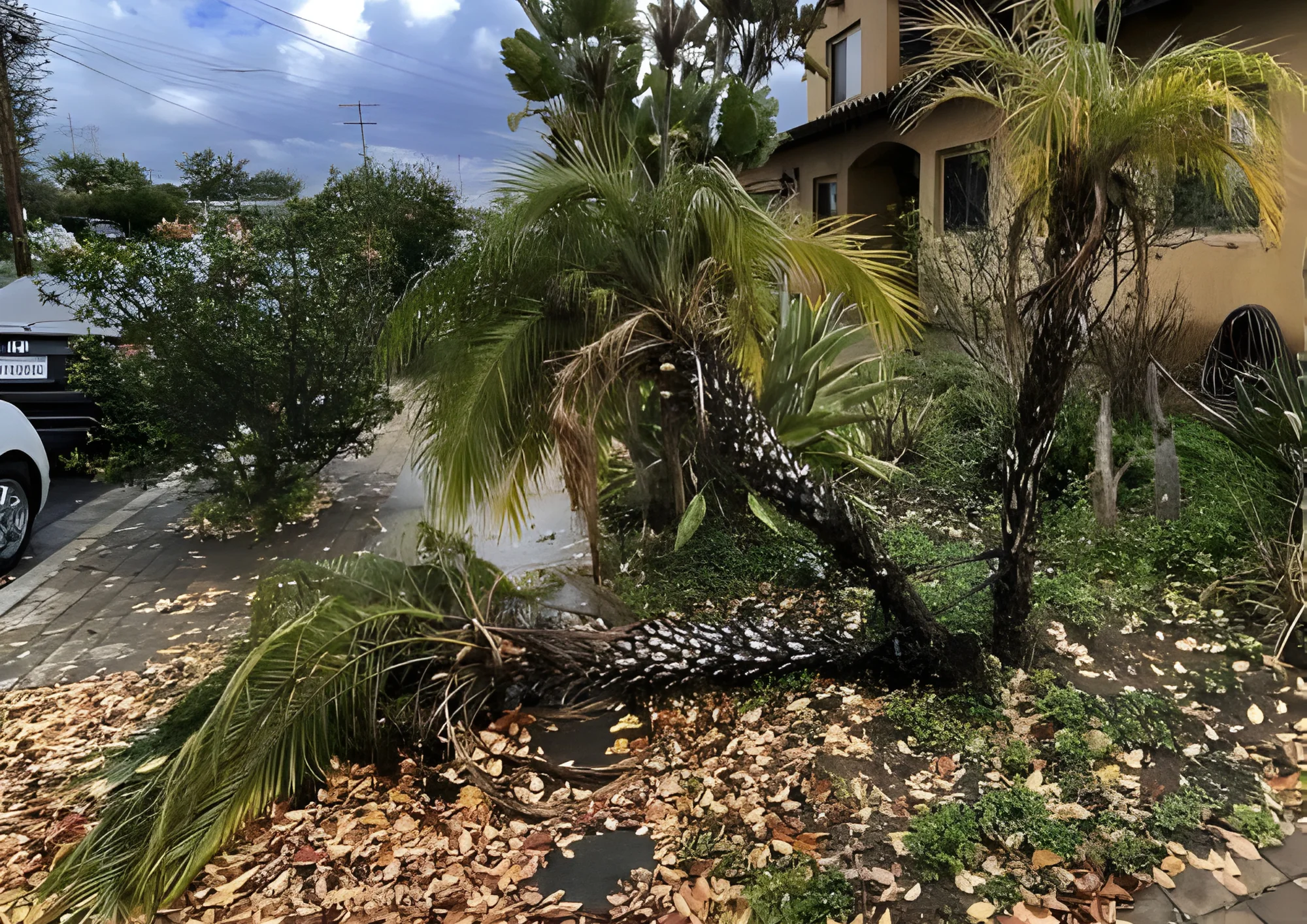
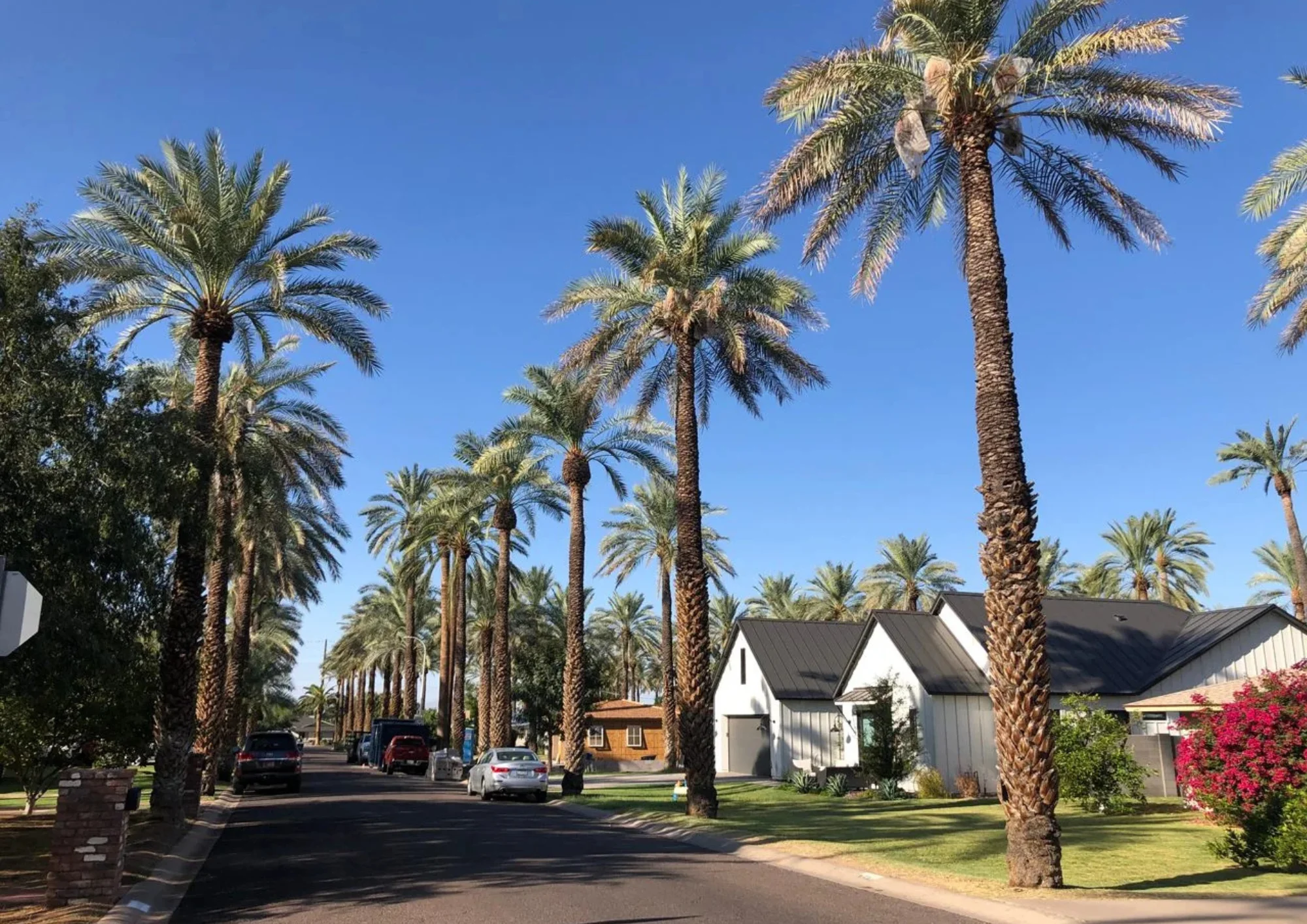
In tall palms, especially Mexican Fan Palms and Date Palms, excess weight can increase the risk of leaning or structural failure. During storms or strong winds, neglected palms are more likely to split, crack, or fall.
Proper trimming keeps the canopy balanced and reduces unnecessary stress on the tree.
Increased Long Term Costs
Avoiding trimming may seem like a way to save money, but it often leads to higher expenses later. Neglected palms are more difficult and dangerous to trim once fronds accumulate for years.
Additional costs may include:
- Emergency trimming after storm damage
- Pest control services
- Property repairs from falling fronds
- Full palm tree removal if the tree becomes unstable
Routine maintenance is far more affordable than dealing with emergencies caused by neglect.
Poor Appearance and Reduced Property Value
Untrimmed palm trees quickly lose their visual appeal. Thick skirts of dead fronds make landscapes look unkempt and neglected.
For homeowners, this can reduce curb appeal. For commercial properties, it can impact customer perception and property value. Clean, well maintained palms contribute to a polished, professional appearance and reflect pride in ownership.
How Often Palm Trees Should Be Trimmed
Most palm trees in Arizona benefit from trimming once per year, typically in late spring or early summer. Some species, such as Date Palms, may require trimming twice per year to remove fruit stalks and seed pods.
Trimming should focus on removing only dead or damaged fronds. Over trimming causes its own set of problems and should always be avoided.
When to Call a Professional
Palm tree trimming can be dangerous, especially for tall trees. You should contact a professional if:
- Fronds are out of reach
- The tree is near power lines or structures
- Pests or disease are present
- The palm has not been trimmed in several years
Professional palm trimmers have the equipment and experience needed to safely maintain palms without damaging the tree.
Conclusion
Never trimming a palm tree leads to safety risks, pest problems, declining health, and higher long term costs. While palms are hardy, they still require routine maintenance to thrive in Arizona’s desert climate.
Regular palm tree trimming removes hazards, protects property, and keeps trees healthy and attractive. With proper care, palms remain an asset to your landscape rather than a liability.