Introduction
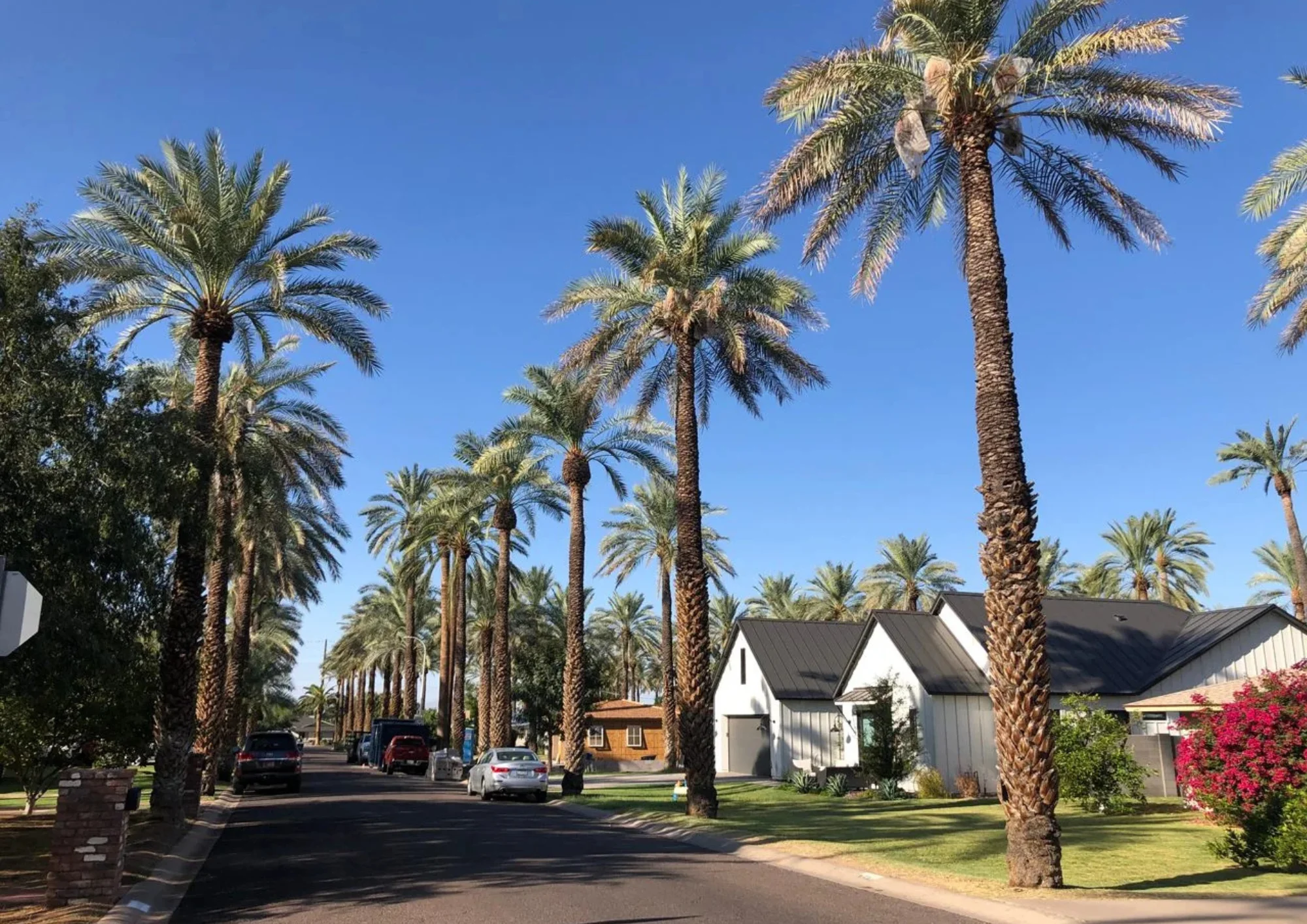
Palm trees are a hallmark of Arizona’s desert beauty, decorating homes and streets throughout Phoenix and Scottsdale. Though resilient, they still face unique challenges in the region’s scorching summers and dry winters. Recognizing the warning signs early can help you protect your investment and avoid costly palm tree removal Scottsdale services later.
At AZ Palm Trimmers, we’ve cared for thousands of palms across the Valley. Here’s how to tell if your palm is sick, stressed, or nearing the end of its life.
Signs Your Palm Tree Might Be Dying
Yellowing or Browning Fronds
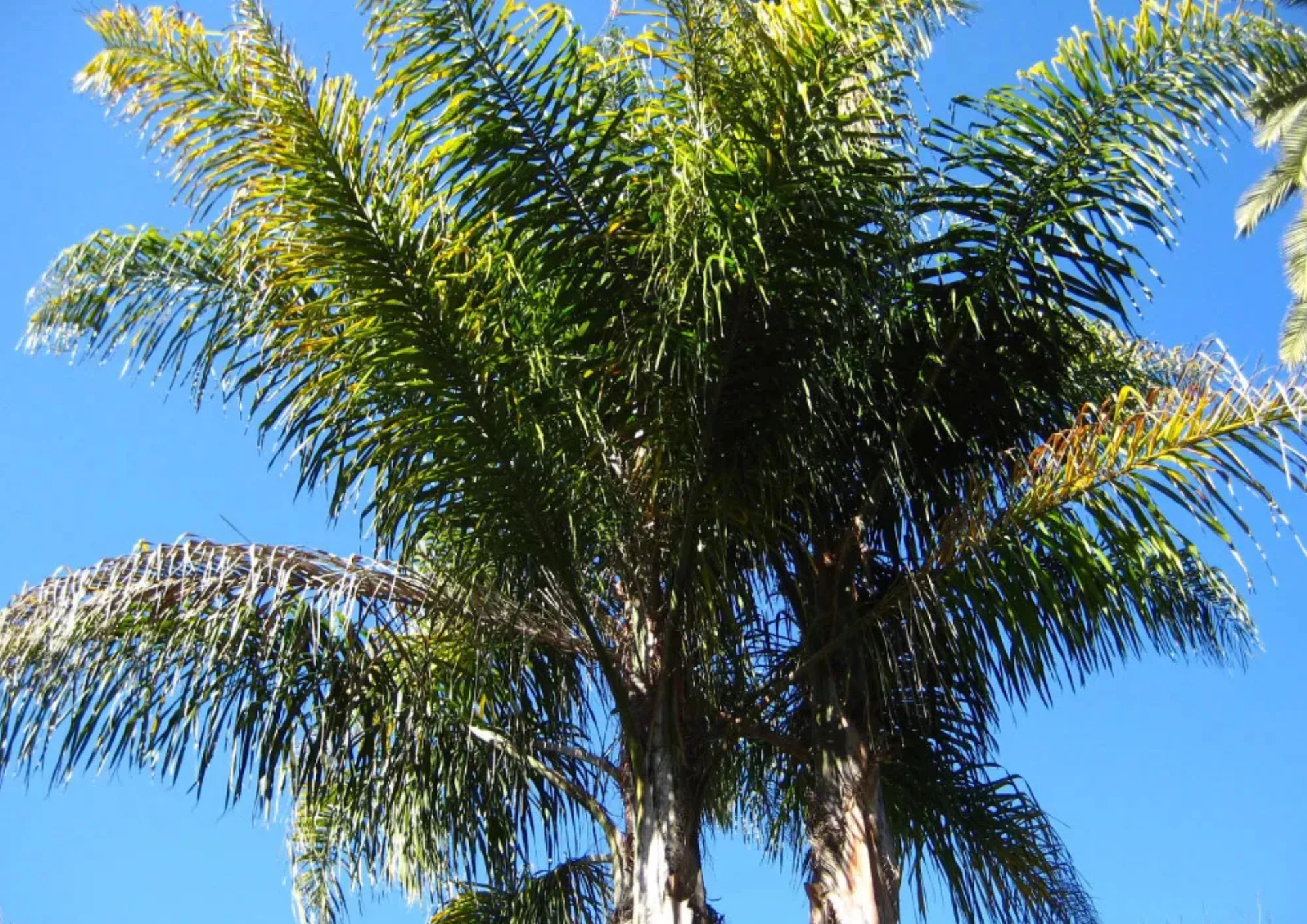
Healthy fronds are bright green. If your palm’s lower leaves are yellow, brown, or crisp, it’s struggling. While older fronds naturally die off, widespread discoloration can mean nutrient deficiency or water stress.
No New Growth
Palm trees grow from the crown at the top of the trunk. If no new fronds appear for several months, the crown may be damaged. This is often irreversible and one of the first signs of palm death.
Drooping or Wilting Fronds
Fronds that hang limp rather than spreading upward can indicate dehydration or root damage. Consistent drooping despite watering is a red flag.
Soft or Mushy Trunk
If the base feels soft, hollow, or emits a foul odor, rot has likely set in. This is often caused by overwatering or poor drainage.
Pest Activity
Watch for holes in fronds, sawdust near the base, or insects on the crown. Arizona palms are vulnerable to weevils, borers, and scale insects that weaken trees from the inside out.
Common Causes of Palm Tree Decline in Arizona
Underwatering During Extreme Heat
Phoenix and Scottsdale summers regularly exceed 110°F. While mature palms are drought-tolerant, younger ones need deep watering every 10–14 days. Dry roots can lead to wilting, frond loss, and death.
Nutrient Deficiencies in Desert Soil
Arizona’s sandy, alkaline soil lacks magnesium and potassium, nutrients palms depend on. Regular fertilization prevents yellowing and brittle fronds.
Sunburn and Heat Stress
Even desert palms can burn. Fronds with bleached tips or spots often result from direct summer sunlight combined with low humidity.
Pest Infestations
Beetles, mites, and rats can invade untrimmed fronds. Palm tree trimming Phoenix homeowners trust AZ Palm Trimmers to remove these nesting areas before infestations worsen.
Root Rot or Fungal Infection
Overwatering or poor soil drainage creates the perfect environment for rot. Once fungus reaches the heart of the trunk, recovery is rare.
How to Tell If It’s Truly Dying or Just Stressed
Not every droopy or brown palm is doomed. Stressed trees often bounce back with better care, while dying palms show permanent symptoms.
Recoverable palms: Still produce small green fronds or have a firm trunk.
Dying palms: Crown collapse, no green growth, and soft trunk tissue.
When unsure, call a professional for an evaluation. Early diagnosis can save a palm that looks beyond repair.
How to Save a Struggling Palm Tree
- Water Deeply, Not Frequently: Give palms a slow, deep soak instead of daily sprinkles.
- Feed Wisely: Use palm-specific fertilizer rich in magnesium and potassium three times per year.
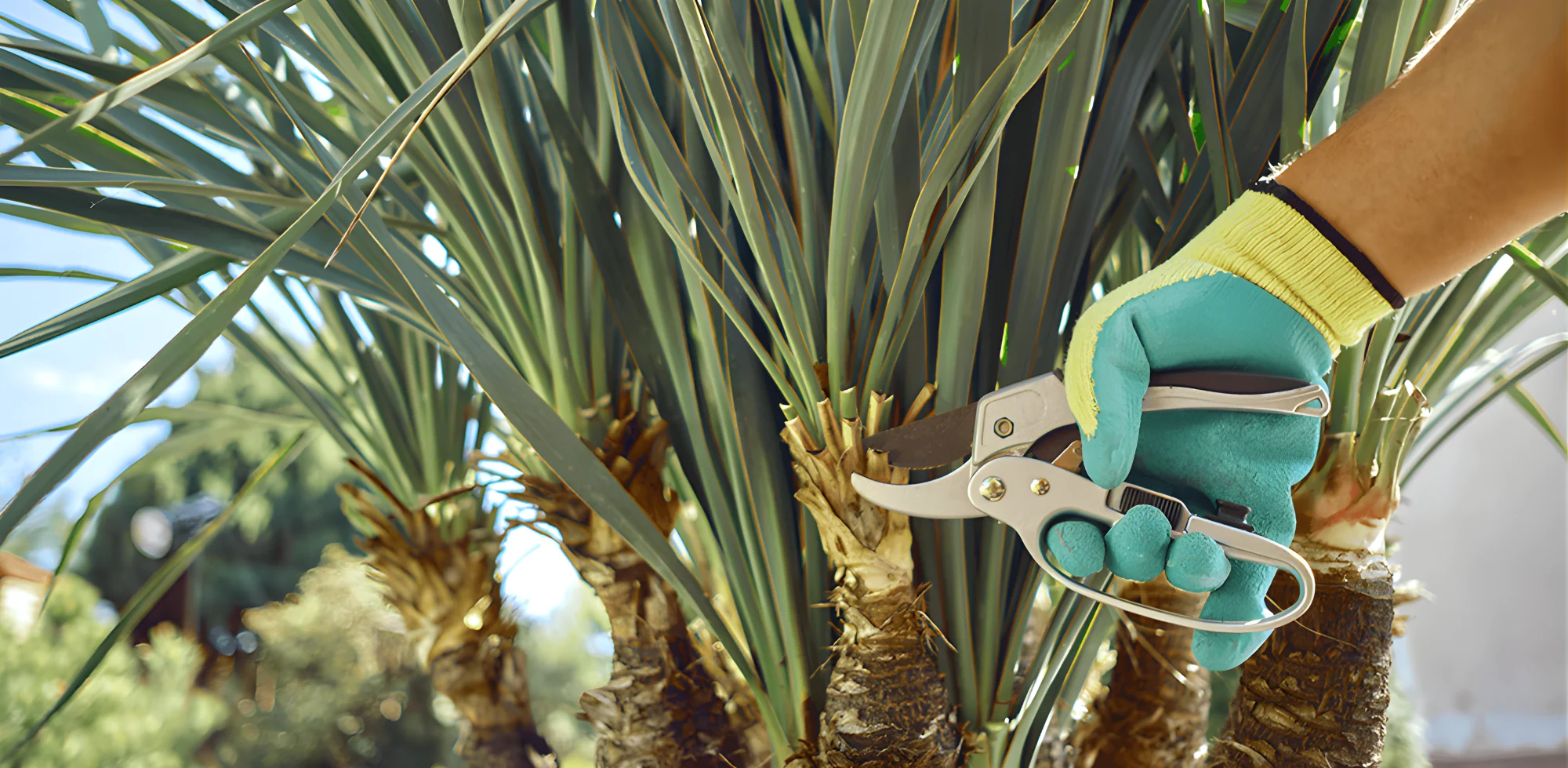
- Trim Carefully: Remove only completely brown fronds. Over-trimming weakens the tree.
- Improve Drainage: If your palm sits in heavy clay or compacted soil, consider aerating around the base.
- Pest Management: Schedule professional maintenance to prevent or remove insects and rodents.
These simple Arizona palm care habits extend the lifespan of your palms and reduce long-term costs.
When Removal Might Be the Only Option
Sometimes, despite your best efforts, the tree cannot be saved. You may need professional palm tree removal Scottsdale services if:
- The trunk is hollow or severely rotted.
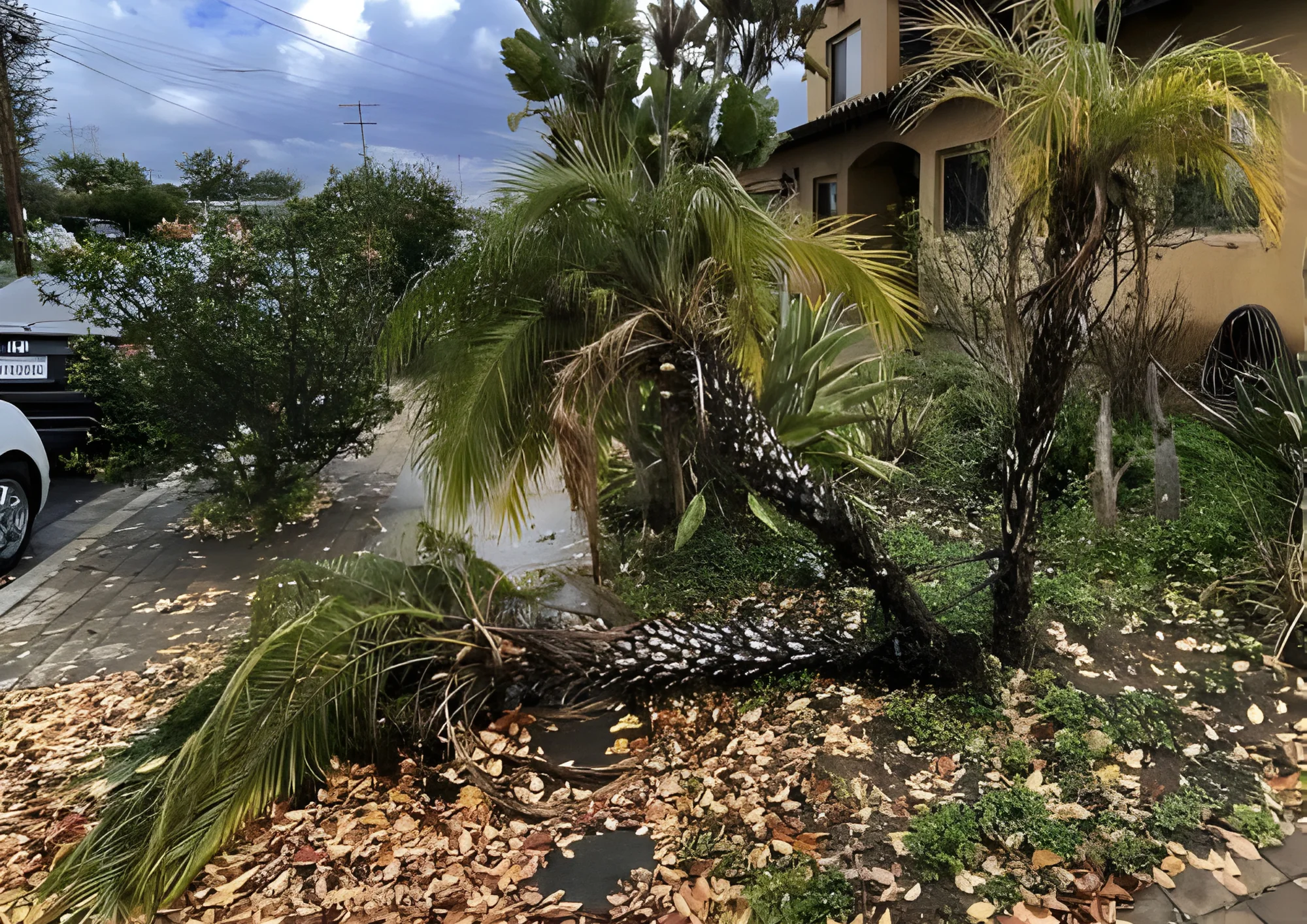
- The palm leans dangerously.
- The tree is dead or unsightly beyond recovery.
- Pests have destroyed the crown or core.
Removing a palm on your own can be dangerous due to height and weight. Professionals use specialized equipment to safely take it down and grind the stump.
Preventing Future Palm Tree Problems
Healthy palms thrive with proactive care. Schedule annual palm tree trimming Phoenix to remove dead fronds before they harbor pests or pose safety risks. Water deeply during heatwaves, fertilize seasonally, and call for skinning services every few years to prevent buildup along the trunk.
By keeping a regular maintenance schedule, you can prevent most palm issues before they become serious.
Conclusion
A dying palm tree is more than a landscaping concern, it can become a safety hazard if left unchecked. Recognizing early warning signs like browning fronds, crown collapse, or a soft trunk allows you to act quickly. Whether your palm needs simple TLC or complete palm tree removal Scottsdale, AZ Palm Trimmers has the expertise to restore your landscape.
Our team proudly serves Phoenix, Scottsdale, and surrounding areas with safe, reliable, and affordable palm care. Contact AZ Palm Trimmers today to schedule a professional inspection and keep your desert oasis healthy year-round.