Introduction
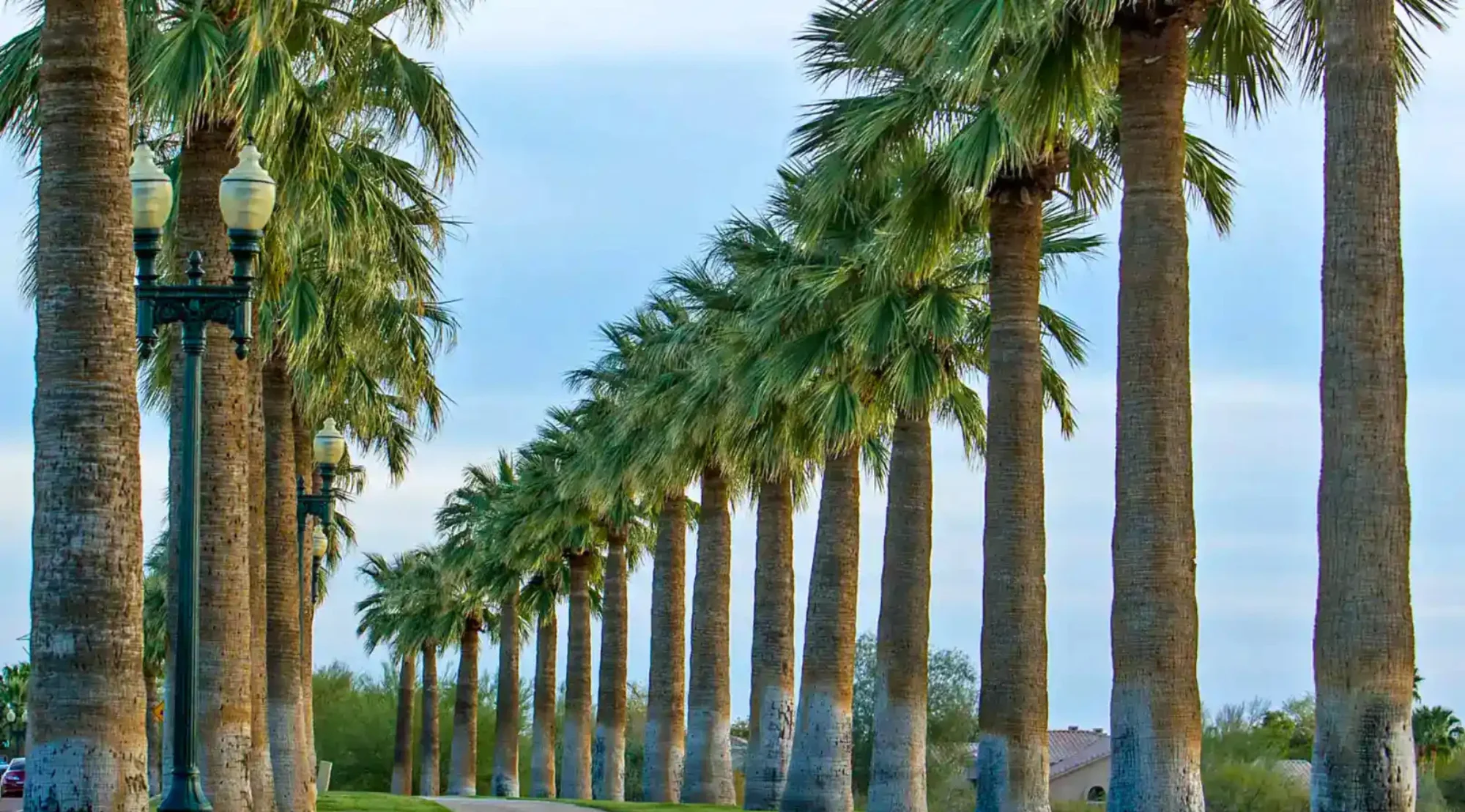
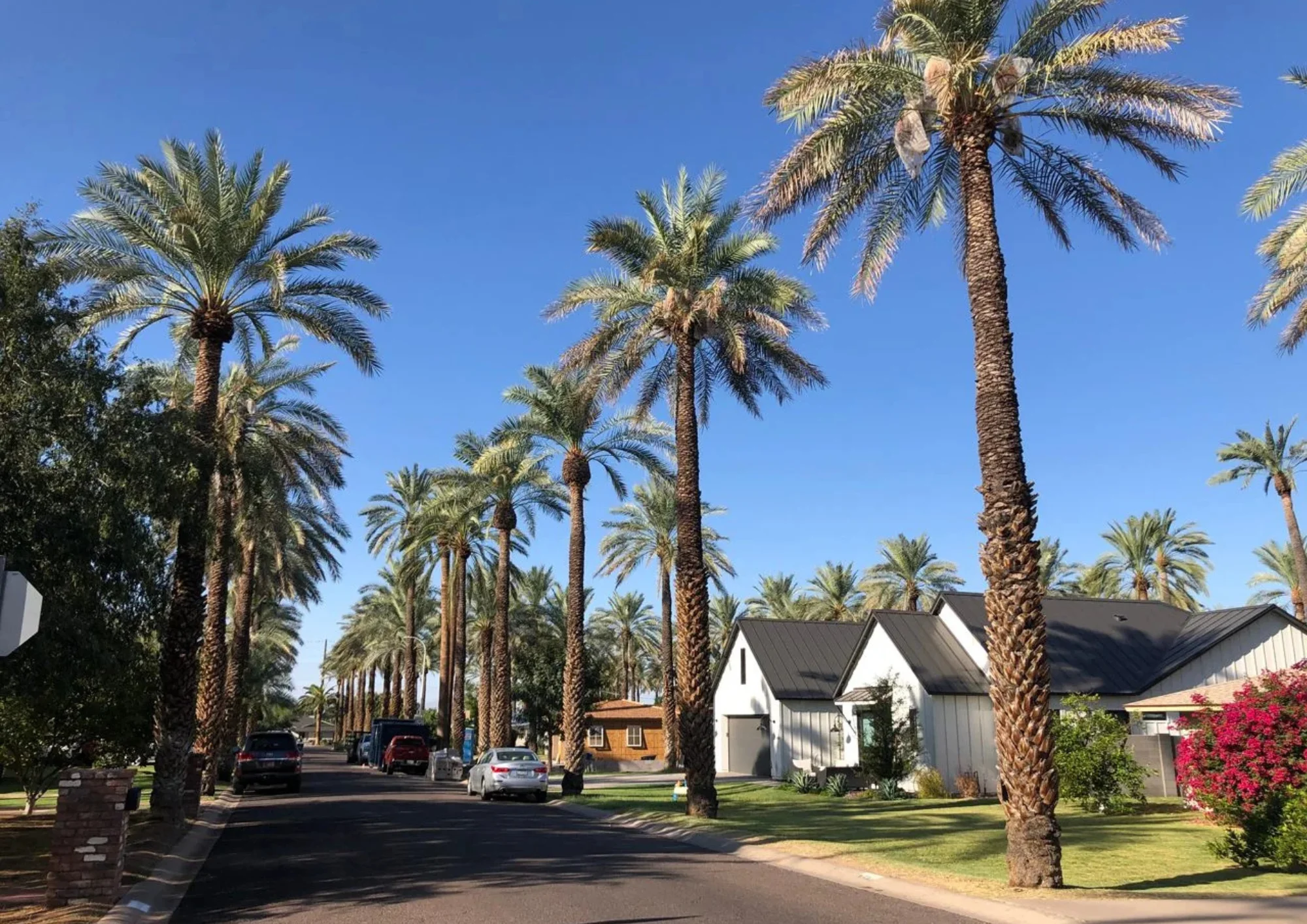
Palm trees are one of the most recognizable features of Arizona’s desert landscape. Their tall trunks and lush crowns add elegance to homes and businesses across Phoenix and Scottsdale. However, palms face tough conditions in the desert’s intense heat and nutrient-poor soil.
Knowing when to call for professional help can prevent small issues from turning into major problems. Below are the top warning signs that your palm tree may need immediate attention from AZ Palm Trimmers, your local experts in palm tree trimming Phoenix and full-service care.
Yellowing or Browning Fronds
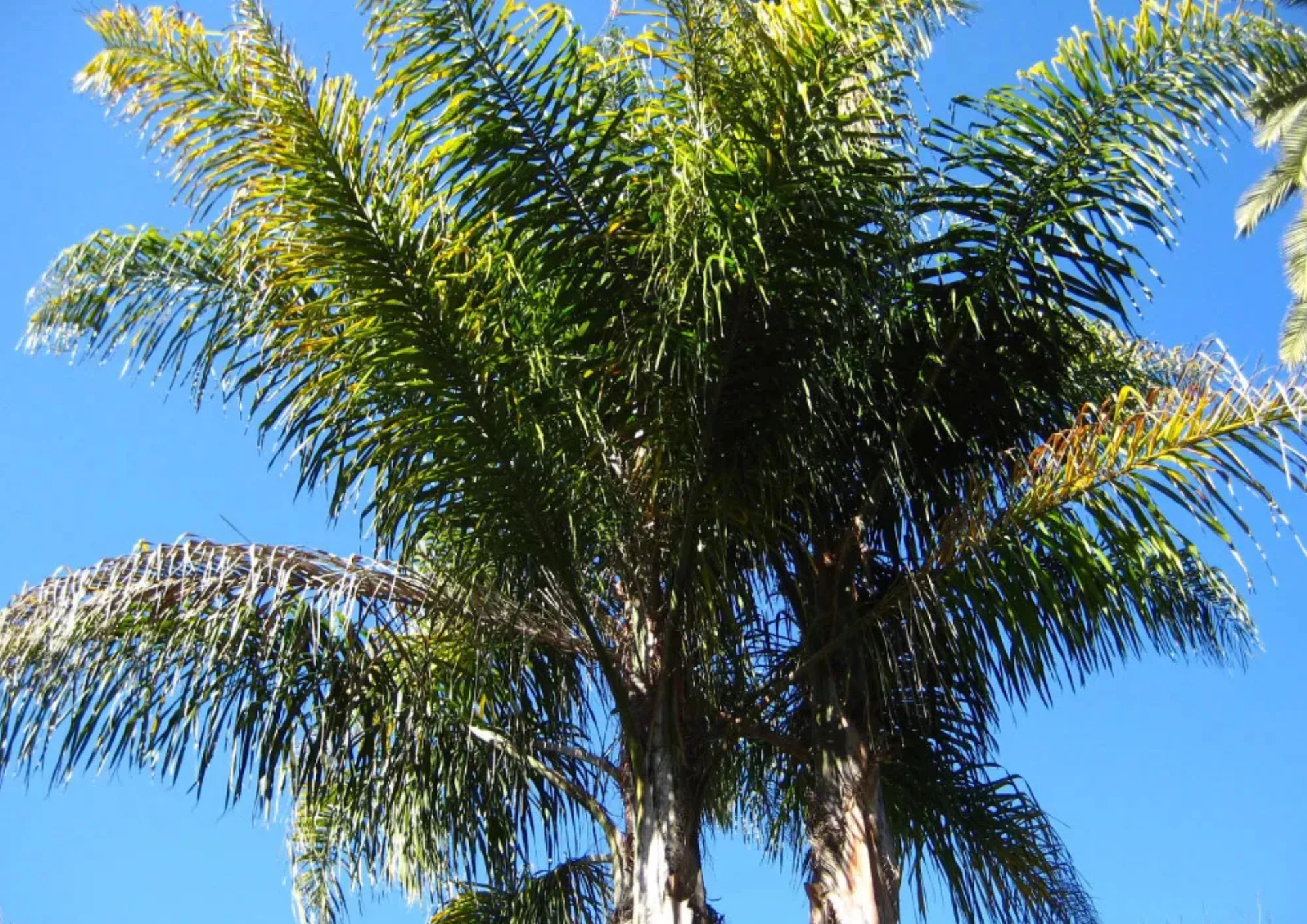
One of the first indicators of trouble is yellow or brown fronds. While older fronds naturally die over time, widespread discoloration can signal nutrient deficiencies or improper watering.
Arizona’s alkaline soil often lacks potassium and magnesium—minerals essential for palm health. If fronds turn yellow from the bottom up, your tree may be struggling to absorb nutrients or suffering from heat stress. Professional evaluation ensures the right balance of fertilizer and care to restore healthy growth.
Dead or Hanging Fronds That Haven’t Fallen
Palm trees don’t shed old fronds naturally; they stay attached until trimmed. If your palm is covered in drooping brown fronds, it not only looks neglected but also poses a fire risk and attracts rodents or insects.
During Arizona’s windy summer months, these fronds can break off unexpectedly, causing property damage. Regular palm tree trimming Phoenix prevents this by safely removing dead fronds before they become hazardous.
Pest or Insect Infestations
Arizona palms are prone to infestations from beetles, borers, and scale insects. These pests feed on sap, weaken the trunk, and damage fronds. You might notice small holes, sawdust-like residue, or sticky secretions on the leaves.
Pest issues often go unnoticed until severe damage occurs. A palm tree care Scottsdale specialist can identify and treat infestations early, using eco-friendly methods to protect both your tree and surrounding landscape.
Cracked, Soft, or Discolored Trunk
A healthy palm trunk is firm and consistent in color. If you notice cracks, soft spots, or dark streaks, it may indicate internal rot or fungal disease. These problems usually start when the trunk is injured or overwatered.
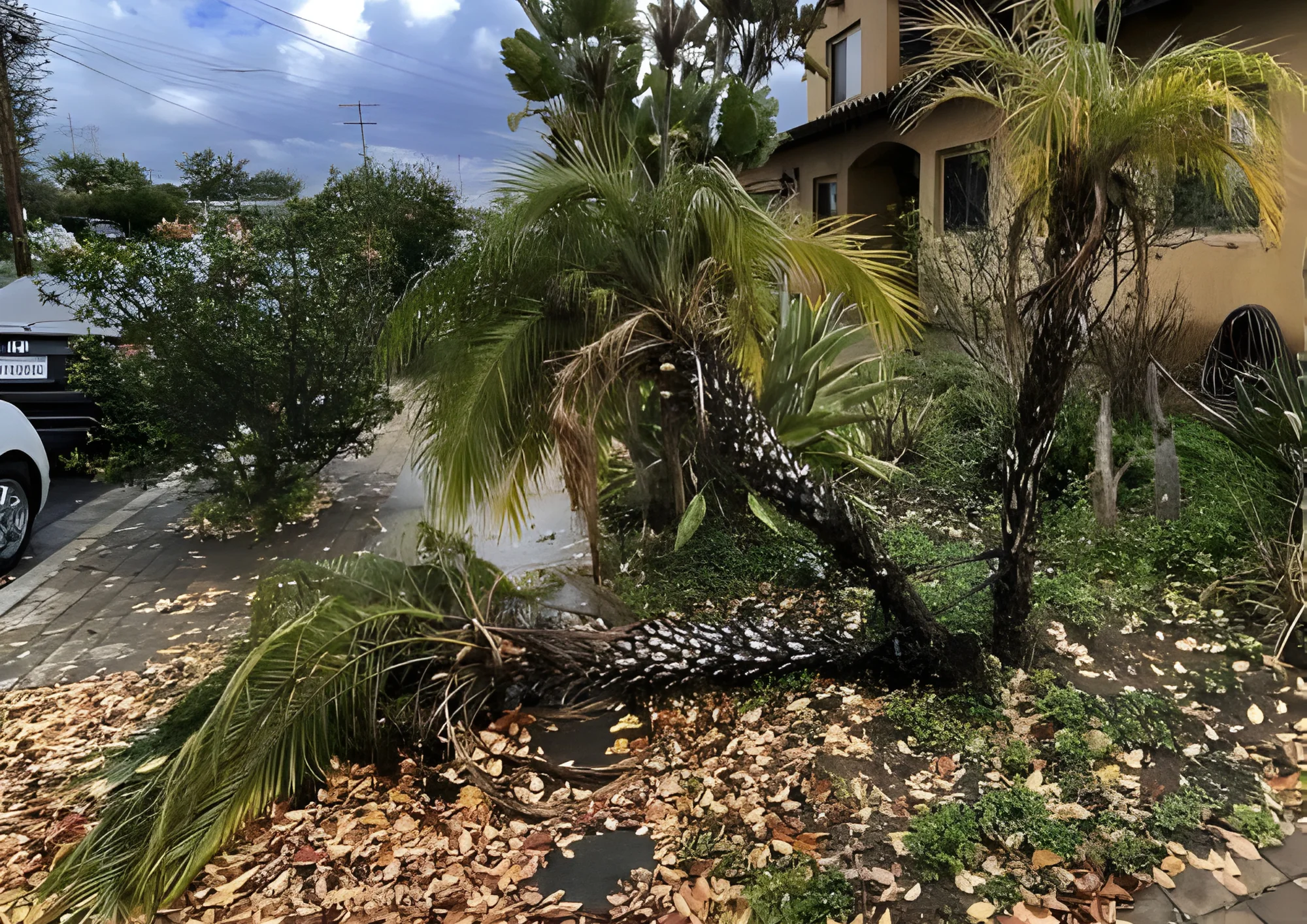
Soft trunks compromise stability, especially during Arizona’s monsoon season. If your palm leans or appears unstable, it could fall during high winds. Professional inspection can determine whether treatment or removal is the safest option.
Lack of New Growth at the Crown
New fronds should appear regularly from the top (the crown) of your palm. If no new growth has emerged for several months, the crown may be damaged, signaling serious health issues.
This could result from pests, nutrient deficiency, or improper trimming. Once the crown dies, the palm cannot regrow. Immediate attention from Arizona palm tree trimming professionals can sometimes prevent irreversible decline if caught early.
Overgrown or Unbalanced Canopy
Palms that go untrimmed for years often develop heavy, uneven crowns. This imbalance strains the trunk and can cause fronds to snap under their own weight.
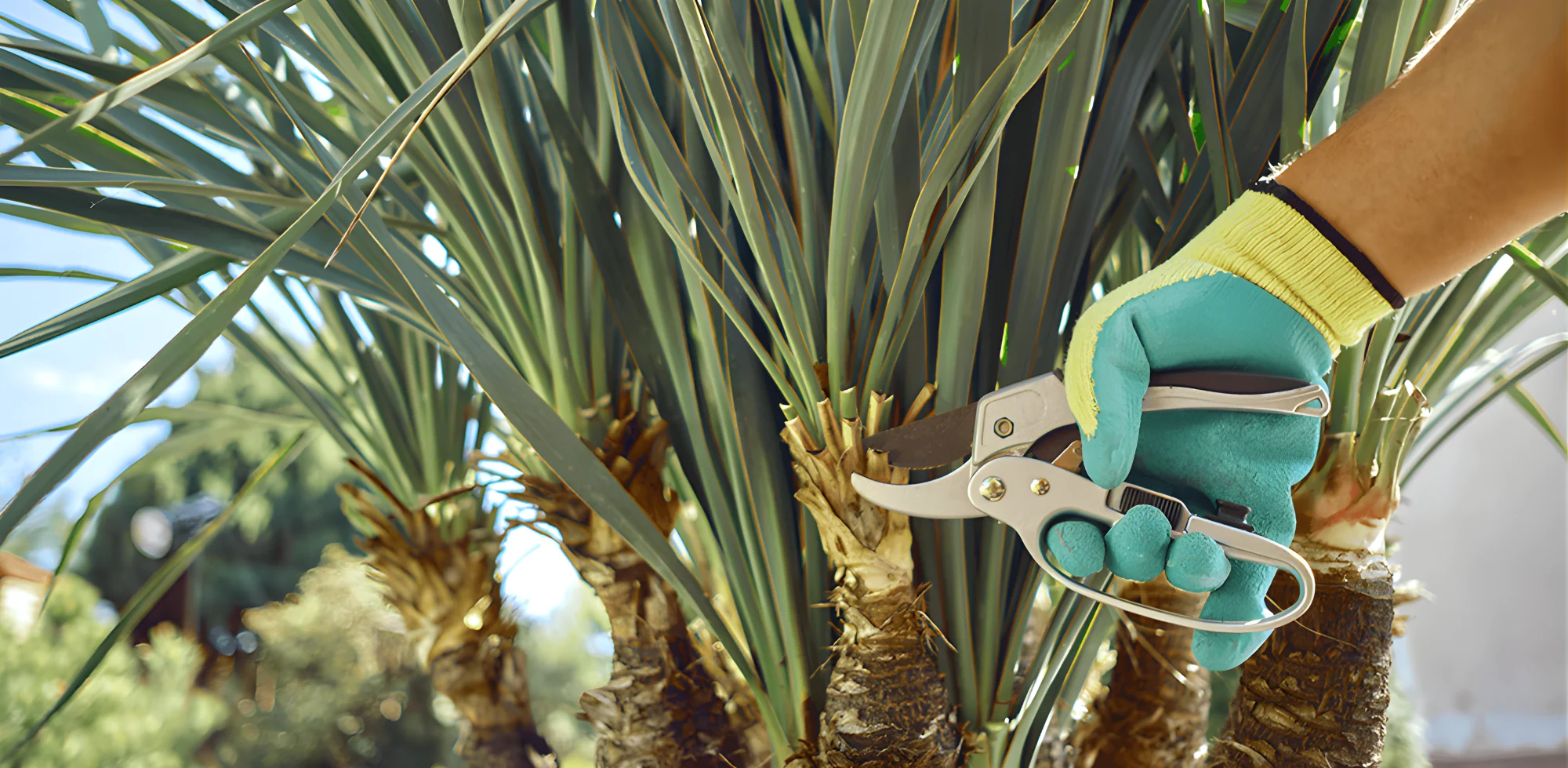
Overgrown palms are also more likely to catch debris and become nesting spots for birds or rodents. Routine trimming by certified experts keeps canopies symmetrical, prevents structural stress, and enhances curb appeal.
Storm or Wind Damage
High winds and monsoon storms are part of life in Arizona. After severe weather, inspect your palms for broken fronds or visible trunk damage. Even if the tree looks stable, hidden cracks can weaken it over time.
Professional trimmers can assess damage safely and recommend trimming or removal if necessary to prevent hazards during future storms.
Why Professional Palm Care Matters
Palm trees require specific techniques and timing for trimming, fertilizing, and treatment. Cutting too many green fronds or trimming at the wrong time can leave palms exposed to sunburn or disease.
Professional services ensure your palms are:
- Trimmed safely without harming the crown
- Fertilized with the right nutrient mix for Arizona’s soil
- Monitored for pests and diseases
- Protected from storm-related hazards
At AZ Palm Trimmers, we understand the unique challenges Arizona palms face and provide customized maintenance plans that keep your trees healthy and your property safe.
When to Schedule Maintenance
The best time for trimming is late spring to early summer, just before Arizona’s windy season. Most palm species benefit from annual trimming, though fast-growing varieties like the Mexican Fan Palm may need attention twice per year.
Pair trimming with seasonal fertilizing and pest inspection for comprehensive care that enhances growth and prevents costly damage.
Conclusion
Palm trees are resilient, but even the toughest varieties need expert attention to stay beautiful and safe in Arizona’s extreme climate. If you notice yellowing fronds, pest damage, trunk decay, or lack of new growth, it’s time to call the professionals.
AZ Palm Trimmers provides safe, affordable, and expert palm tree care Scottsdale and across the Phoenix Valley. Our team handles trimming, skinning, fertilizing, and removal with precision and care—helping your palms thrive in the desert heat.