Introduction
Palm tree skinning is one of the most misunderstood aspects of palm maintenance in Arizona. Some property owners believe it is purely cosmetic, while others assume it is required for every palm tree. The truth lies somewhere in between.
In Phoenix and Scottsdale, palm tree skinning can offer real benefits when applied correctly and to the right species. Understanding when skinning is helpful and when it should be avoided helps homeowners make informed decisions about their landscape.
What Is Palm Tree Skinning?
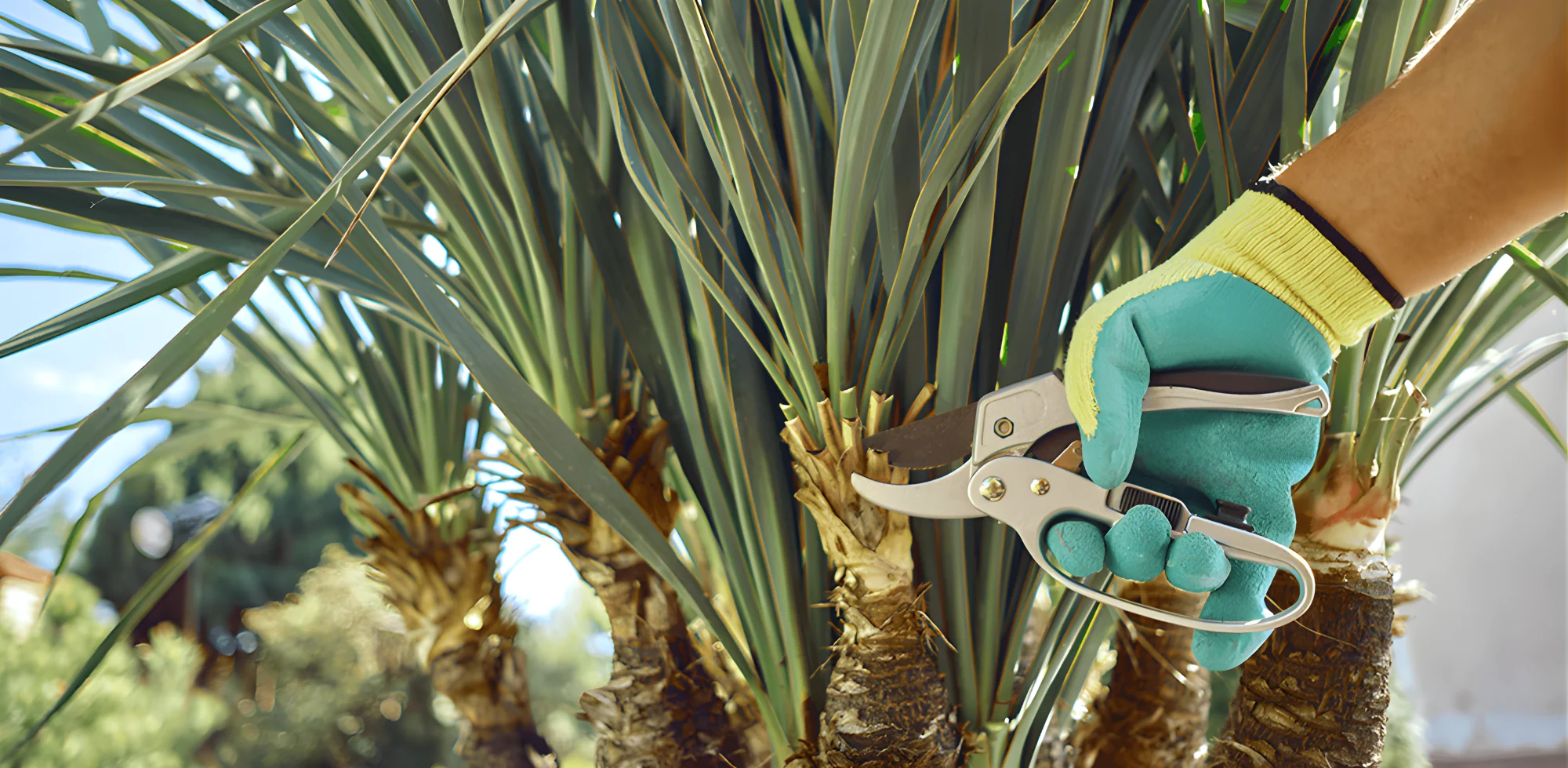
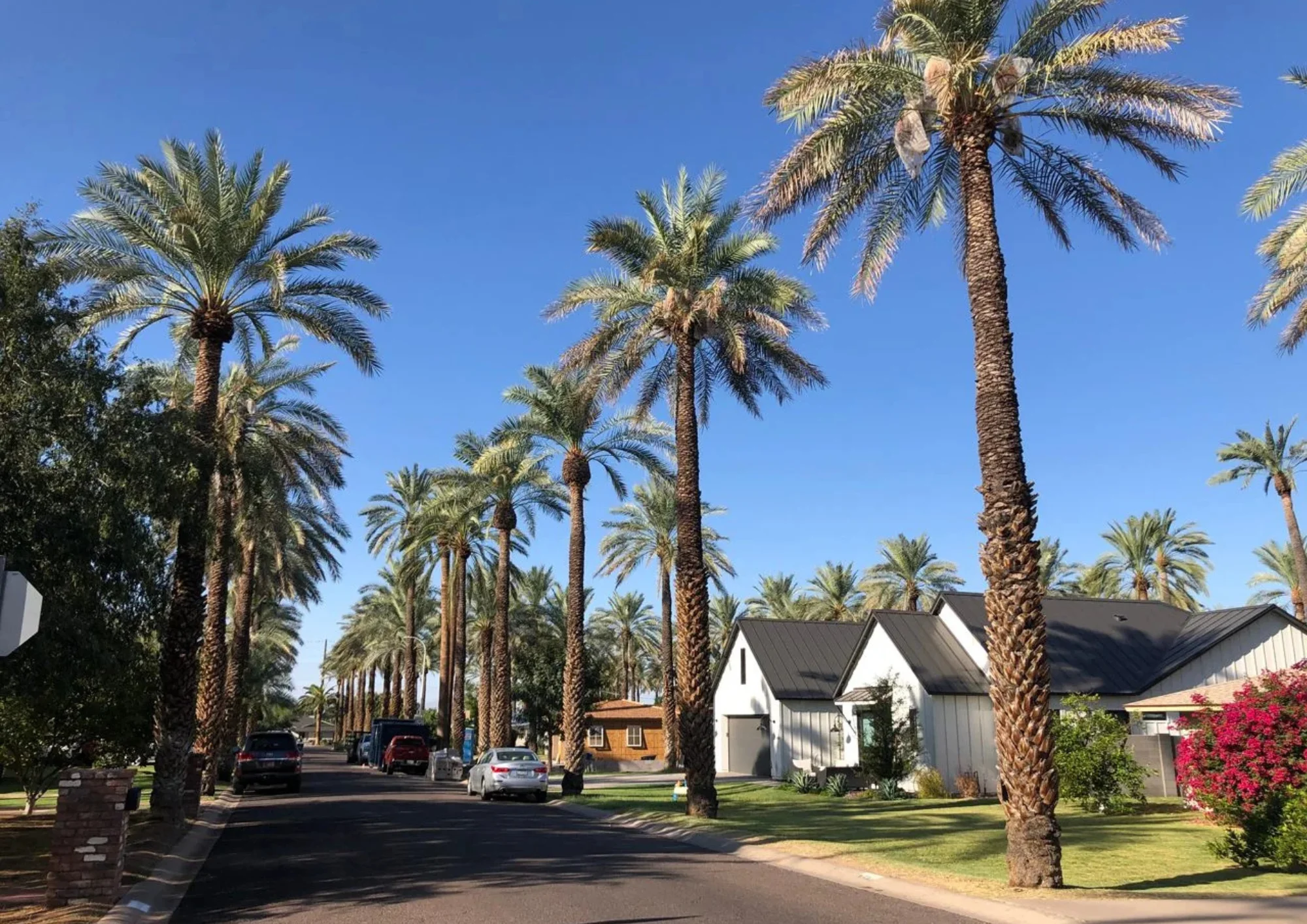
Palm tree skinning involves removing the leftover bases of old fronds from the trunk after trimming. These bases are the woody remnants that create the layered or diamond pattern commonly seen on palm trunks.
When skinning is done, the trunk appears smooth and uniform. This process is often combined with regular trimming but requires additional skill and care to avoid damaging the tree.
Why Palm Tree Skinning Is Not Always Required
Not every palm tree needs to be skinned. In many cases, leaving frond bases intact protects the trunk and supports natural growth.
Some palms naturally shed these bases over time, while others rely on them for added insulation and protection from sun exposure. Removing them unnecessarily can expose sensitive trunk tissue to heat and increase the risk of sun damage.
Skinning should always be evaluated on a case by case basis rather than applied as a default service.
When Palm Tree Skinning Is Beneficial
Reduces Pest Nesting
Old frond bases create sheltered spaces that attract rodents, birds, and insects. Skinning removes these nesting areas and helps reduce pest activity around the tree and nearby structures.
Improves Trunk Inspection
A smooth trunk allows professionals to inspect the palm more easily for cracks, disease, or insect damage. Early detection helps prevent more serious problems later.
Enhances Appearance
Many homeowners and commercial property managers prefer the clean look of a skinned palm. Smooth trunks create a polished, maintained appearance that enhances curb appeal, especially in high visibility areas.
Removes Dead Material
Skinning eliminates dead organic material that no longer serves the tree. This reduces moisture retention against the trunk and lowers the risk of fungal growth.
Risks of Improper Palm Tree Skinning
While skinning offers benefits, doing it incorrectly can cause serious harm.
Trunk Damage
Cutting too deep into the trunk scars the tree permanently. These wounds cannot heal and may weaken the structure over time.
Increased Sun Exposure
Removing too much material exposes the trunk to direct sunlight. In Arizona’s intense heat, this can lead to sunburn, cracking, and tissue death.
Higher Disease Risk
Open cuts created during aggressive skinning provide entry points for bacteria and fungi. Once infections reach the trunk, they are difficult to treat.
Reduced Lifespan
Palms that are skinned too frequently or too aggressively often show premature decline. Proper technique and timing are essential to avoid long term damage.
Which Palm Species Benefit Most From Skinning
Palm tree skinning is most commonly performed on:
- Mexican Fan Palms
- Date Palms
- Canary Island Date Palms
These species often retain frond bases that attract pests or create heavy buildup. Even with these palms, skinning should be done conservatively and only when needed.
Smaller palms such as Pygmy Date Palms generally require minimal or no skinning.
How Often Should Palm Trees Be Skinned?
Most palms benefit from skinning no more than once every one to three years. Annual skinning is rarely necessary and often leads to overexposure and stress.
The ideal schedule depends on:
- Palm species
- Age and size of the tree
- Exposure to sun
- Pest activity
- Overall health
A professional evaluation helps determine the safest frequency.
Skinning vs Trimming
Trimming and skinning serve different purposes.
- Trimming removes dead or damaged fronds to improve safety and health
- Skinning removes leftover frond bases from the trunk
Trimming is essential for nearly all palms. Skinning is optional and should be applied selectively. Combining both services improperly can lead to over maintenance and tree stress.
Why Professional Skinning Matters
Palm tree skinning is not a beginner task. It requires precision, experience, and a deep understanding of palm biology.
Professional palm specialists know how much material to remove and how to protect the trunk from unnecessary damage. They also understand how Arizona’s climate affects exposed surfaces after skinning.
Attempting to skin a palm without training often leads to irreversible damage.
When to Call a Professional
You should consult a professional palm service if:
- Frond bases are thick and attracting pests
- The trunk shows signs of decay or cracking
- You want to improve appearance safely
- The palm has not been skinned in several years
- You are unsure whether skinning is appropriate
A professional assessment ensures skinning is done only when beneficial.
Conclusion
Palm tree skinning is not just cosmetic, but it is not always necessary. When performed correctly and selectively, skinning can reduce pests, improve appearance, and support long term palm health. When done improperly, it can weaken the tree and shorten its lifespan.
In Phoenix and Scottsdale, palm tree skinning should always be handled by experienced professionals who understand desert conditions. Proper evaluation, careful technique, and conservative application are the keys to safe and effective skinning.