Introduction
Arizona summers are brutal, even for palm trees. With temperatures regularly climbing above 110 degrees in Phoenix and Scottsdale, palms are pushed to their limits year after year. While palm trees are naturally adapted to warm climates, extreme heat combined with poor watering or maintenance can lead to heat stress.
Many property owners notice browning fronds, drooping leaves, or slowed growth during summer and wonder whether their palm tree is dying. In many cases, the tree is not dying but struggling to cope with heat stress. Understanding the signs, causes, and recovery process can make the difference between saving a palm and losing it.
What Is Heat Stress in Palm Trees?
Heat stress occurs when a palm tree loses more moisture than it can replace. During extreme heat, palms rely heavily on stored water and nutrients to keep fronds healthy and maintain internal functions.
When water loss outpaces intake, the tree begins to shut down non essential processes. This leads to visible stress symptoms and slows growth. Heat stress is especially common in Arizona when high temperatures combine with dry soil, compacted roots, or improper trimming.
Common Signs of Heat Stress
Palm trees show heat stress differently depending on species and age, but the most common warning signs include:
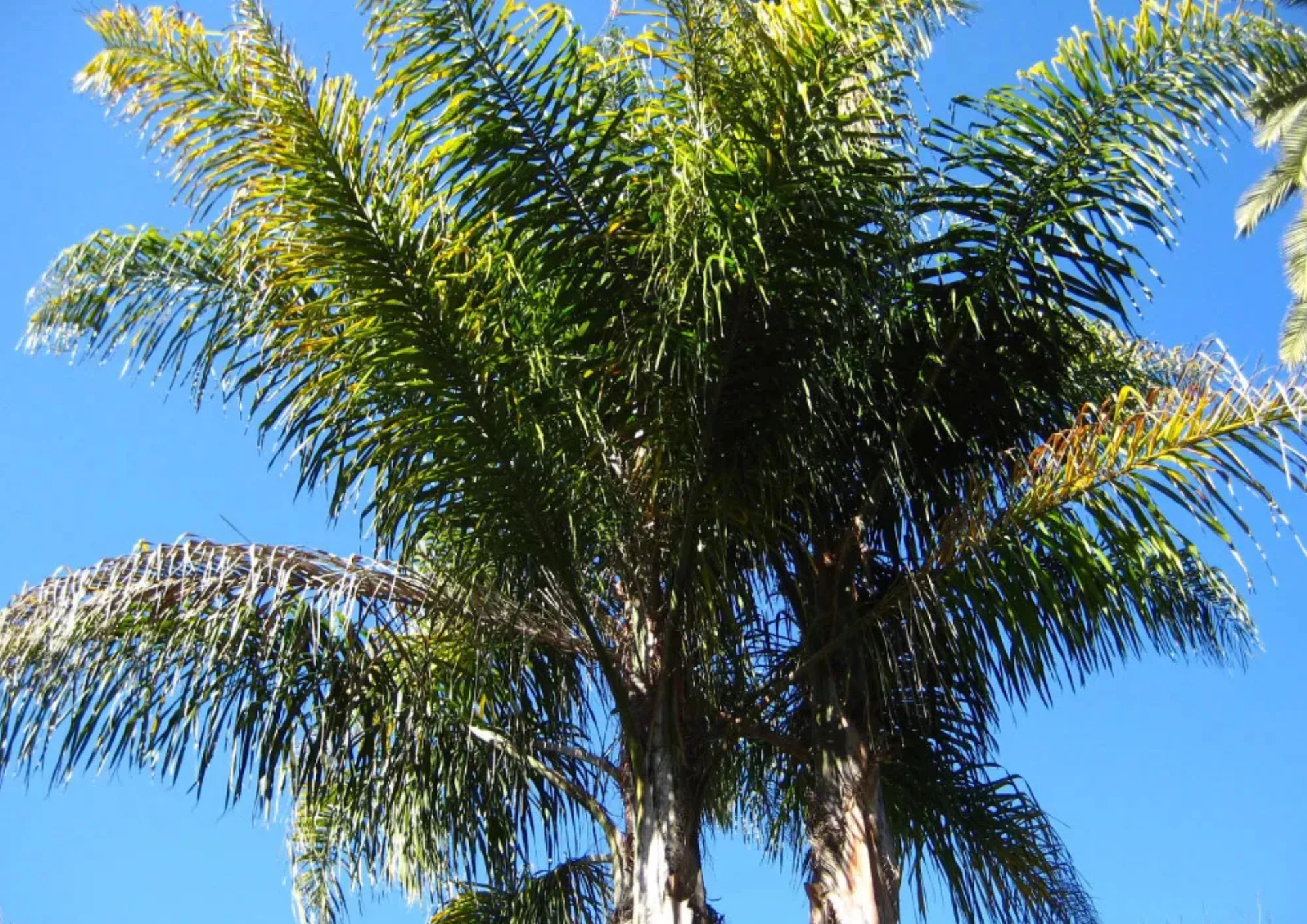
- Browning or scorched frond tips
- Yellowing fronds starting from the lower canopy
- Drooping or wilted leaves
- Slower production of new fronds
- Fronds that feel dry or brittle
- Premature frond drop
Heat stress often appears gradually. Many homeowners mistake it for natural aging or nutrient deficiency, which delays proper treatment.
What Causes Heat Stress in Arizona Palms
Inadequate Deep Watering
One of the most common causes is shallow watering. Light surface watering does not reach the deep root system palms depend on. During extreme heat, roots dry out quickly if water does not penetrate deeply.
Compacted or Poor Soil
Arizona soil often becomes compacted, limiting oxygen and water flow to the roots. Without proper aeration, palms struggle to absorb moisture even when watered regularly.
Nutrient Deficiencies
Heat stress is often made worse by nutrient deficiencies, especially potassium and magnesium. Without these nutrients, palms cannot regulate moisture efficiently or maintain healthy fronds during high temperatures.
Over Trimming
Removing too many green fronds leaves the palm exposed to direct sunlight. Healthy fronds shade the crown and trunk. Over trimming removes this natural protection and accelerates heat damage.
Newly Planted or Transplanted Palms
Palms that have been recently planted or moved are especially vulnerable. Their roots have not fully established, making them less capable of handling extreme heat.
Can Palm Trees Recover From Heat Stress?
In many cases, yes. Palm trees are resilient and can recover if corrective steps are taken early. Recovery depends on:
- Severity of the heat stress
- Duration of exposure
- Age and species of the palm
- Overall health before the stress occurred
If the crown is still producing new growth and the trunk remains firm, recovery is very possible.
How to Help a Heat Stressed Palm Recover
Adjust Watering Immediately
Increase watering frequency during extreme heat, but focus on deep watering. Water should soak the soil to the full depth of the root zone. In summer, most established palms benefit from deep watering every 7 to 10 days.
Avoid daily shallow watering, which weakens roots and worsens stress.
Improve Soil Conditions
Loosening compacted soil around the root zone improves water absorption. Adding organic matter or using professional soil treatments can help roots recover more quickly.
Fertilize Properly
Heat stressed palms often need nutrient support. A palm specific fertilizer with potassium, magnesium, and manganese helps restore balance and supports new growth.
Fertilization should be done carefully. Applying the wrong product or too much fertilizer during extreme heat can cause additional stress.
Avoid Trimming During Heat Stress
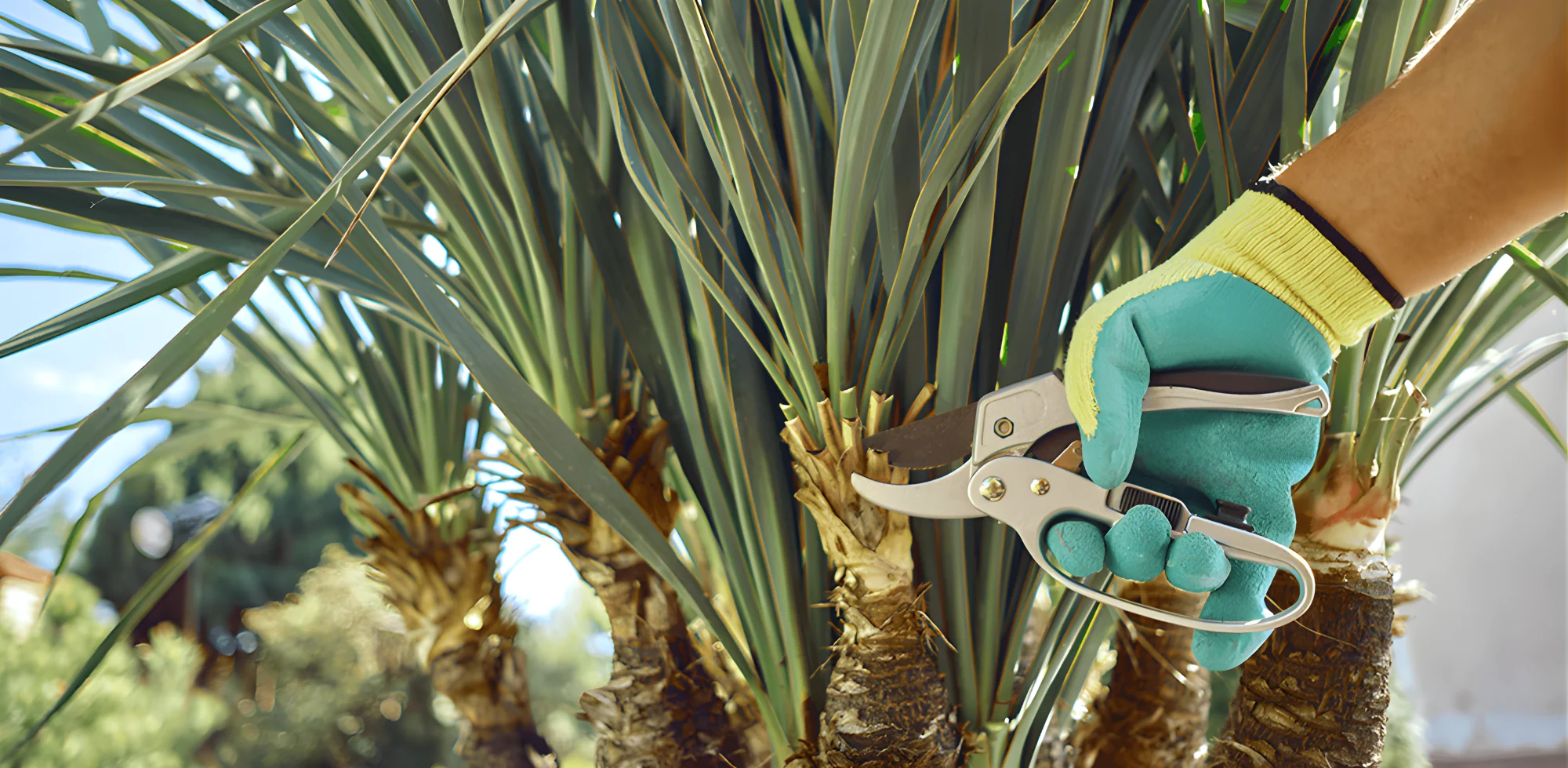
Never trim green fronds from a heat stressed palm. These fronds are essential for energy production and shade. Removing them slows recovery and increases sun exposure.
Only completely dead fronds should be removed, and even that should be done cautiously during peak summer heat.
Monitor New Growth
New fronds emerging from the crown are the best indicator of recovery. They may appear smaller or lighter at first but should strengthen over time with proper care.
When Heat Stress Becomes Permanent
Unfortunately, not all palms recover. Severe heat stress can cause irreversible damage if:
- The crown stops producing new fronds
- The trunk becomes soft or discolored
- Root damage is extensive
- Stress continues for multiple seasons without intervention
Once the crown dies, the palm cannot regenerate. At that point, professional evaluation is necessary to determine whether removal is the safest option.
Preventing Heat Stress in the Future
Preventing heat stress is far easier than treating it. Long term protection includes:
- Deep watering on a consistent schedule
- Annual professional palm tree trimming
- Avoiding over trimming
- Fertilizing three times per year
- Inspecting palms before peak summer heat
- Adjusting irrigation during extreme temperature spikes
Working with professionals ensures palms receive care tailored to Arizona’s climate and seasonal conditions.
When to Call a Professional
You should contact a professional palm care service if:
- Fronds are browning rapidly despite watering
- New growth has slowed or stopped
- The palm has been recently planted
- You are unsure how much to water or fertilize
- The palm has not been maintained for several years
Professional evaluation can often prevent permanent damage and extend the life of the tree.
Conclusion
Palm trees can recover from heat stress in Arizona, but timing and proper care are critical. With deep watering, correct fertilization, and careful trimming practices, many palms rebound even after extreme heat in Phoenix and Scottsdale.
Ignoring early signs of heat stress can lead to long term damage or tree loss. Proactive care and professional maintenance help palms remain healthy, resilient, and attractive despite Arizona’s intense summer conditions.