Introduction
Palm trees are one of the most recognizable features of Arizona landscapes. From residential yards to commercial properties, palms add height, shade, and a tropical appearance that fits well with desert living. A common question homeowners ask is how long palm trees actually live in Arizona.
The answer depends on the type of palm, the growing conditions, and how consistently the tree is cared for. While palms are known for being hardy, Arizona’s extreme heat, dry soil, and strong seasonal winds can shorten their lifespan if maintenance is neglected. Understanding what affects longevity helps property owners protect their investment and keep palms healthy for decades.
Average Lifespan of Palm Trees in Arizona
Palm trees often live longer than many traditional shade trees, but lifespan varies by species.
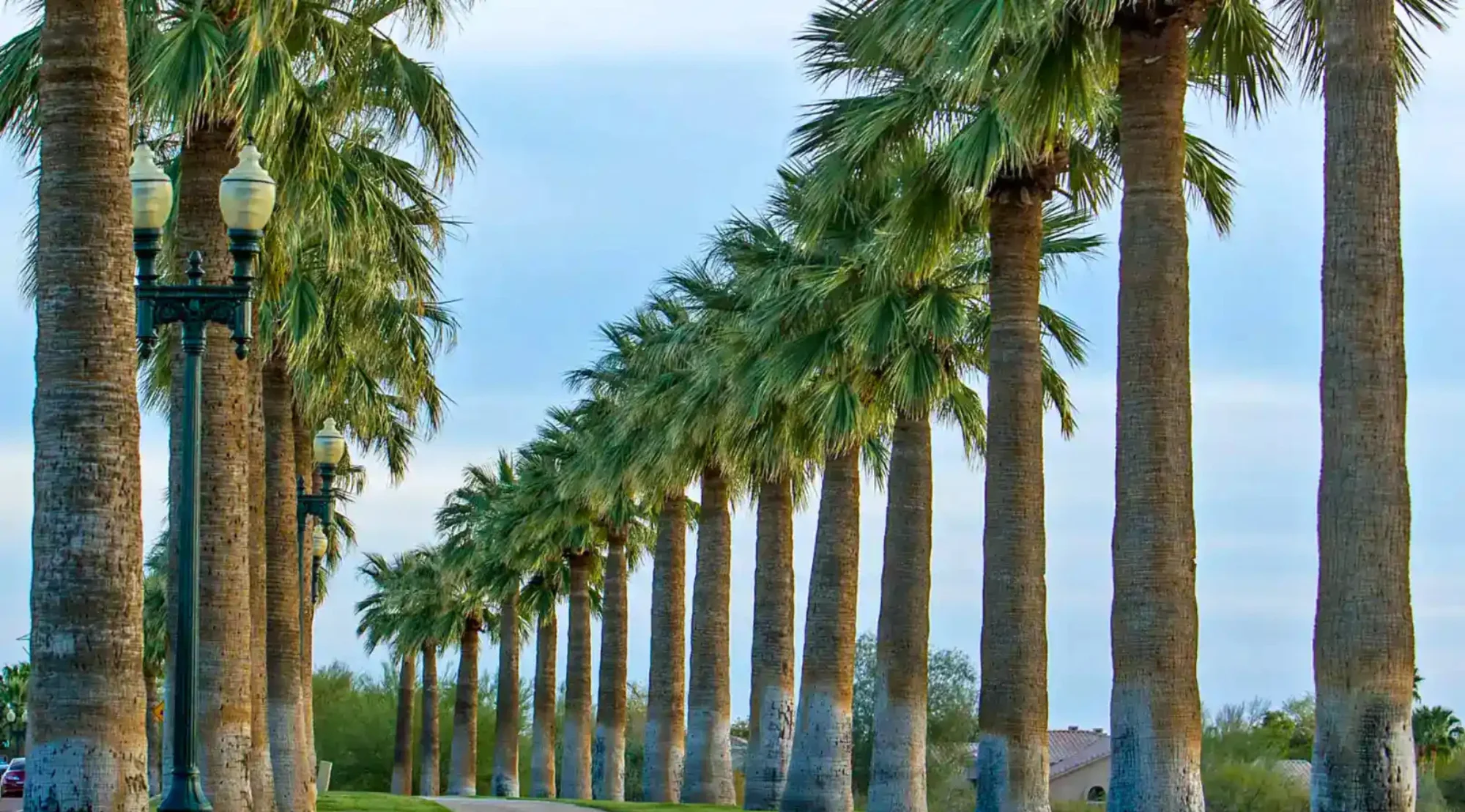
- Mexican Fan Palms typically live 80 to 100 years or more with proper care
- Date Palms often live between 60 and 100 years
- Canary Island Date Palms generally live 60 to 80 years
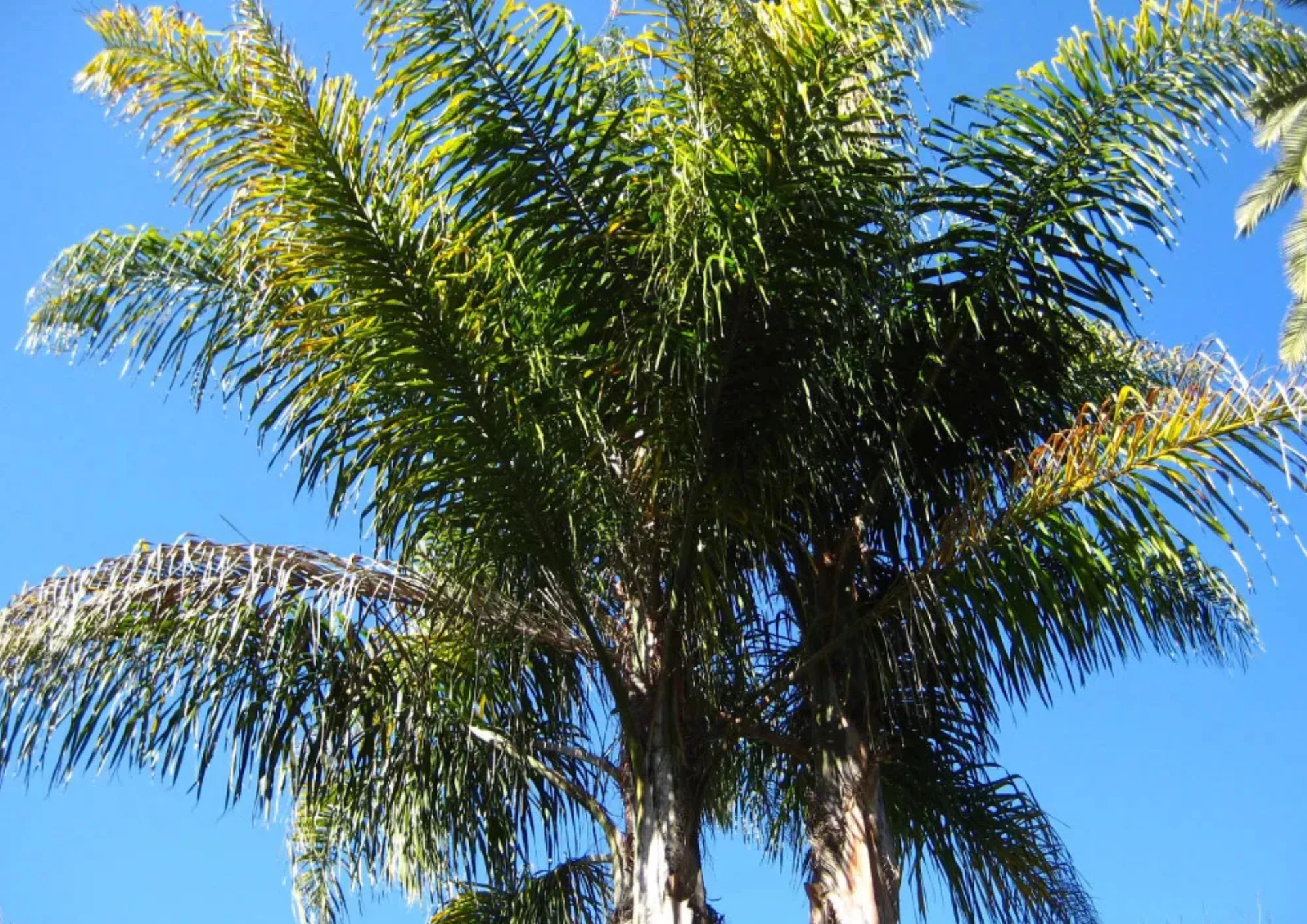
- Queen Palms average 40 to 50 years
- Pygmy Date Palms usually live 30 to 50 years
In Phoenix and Scottsdale, palms that receive professional palm tree trimming, fertilization, and proper watering consistently outlive neglected trees.
What Affects the Lifespan of Palm Trees in Arizona
Climate Stress
Arizona’s desert climate supports palm growth, but extreme summer temperatures can stress trees when watering is inconsistent. Heat stress slows growth, weakens fronds, and reduces overall lifespan if not addressed properly.
Soil Conditions
Arizona soil is typically sandy and alkaline, lacking key nutrients palms need to thrive. Without proper fertilization, palms can suffer long term nutrient deficiencies that shorten their life. Regular palm tree care in Scottsdale often includes correcting soil nutrient imbalances.
Watering Practices
Overwatering and underwatering are both harmful. Palms prefer deep watering that reaches the root zone. Shallow or irregular watering leads to weak roots and reduced stability over time.
Maintenance and Trimming
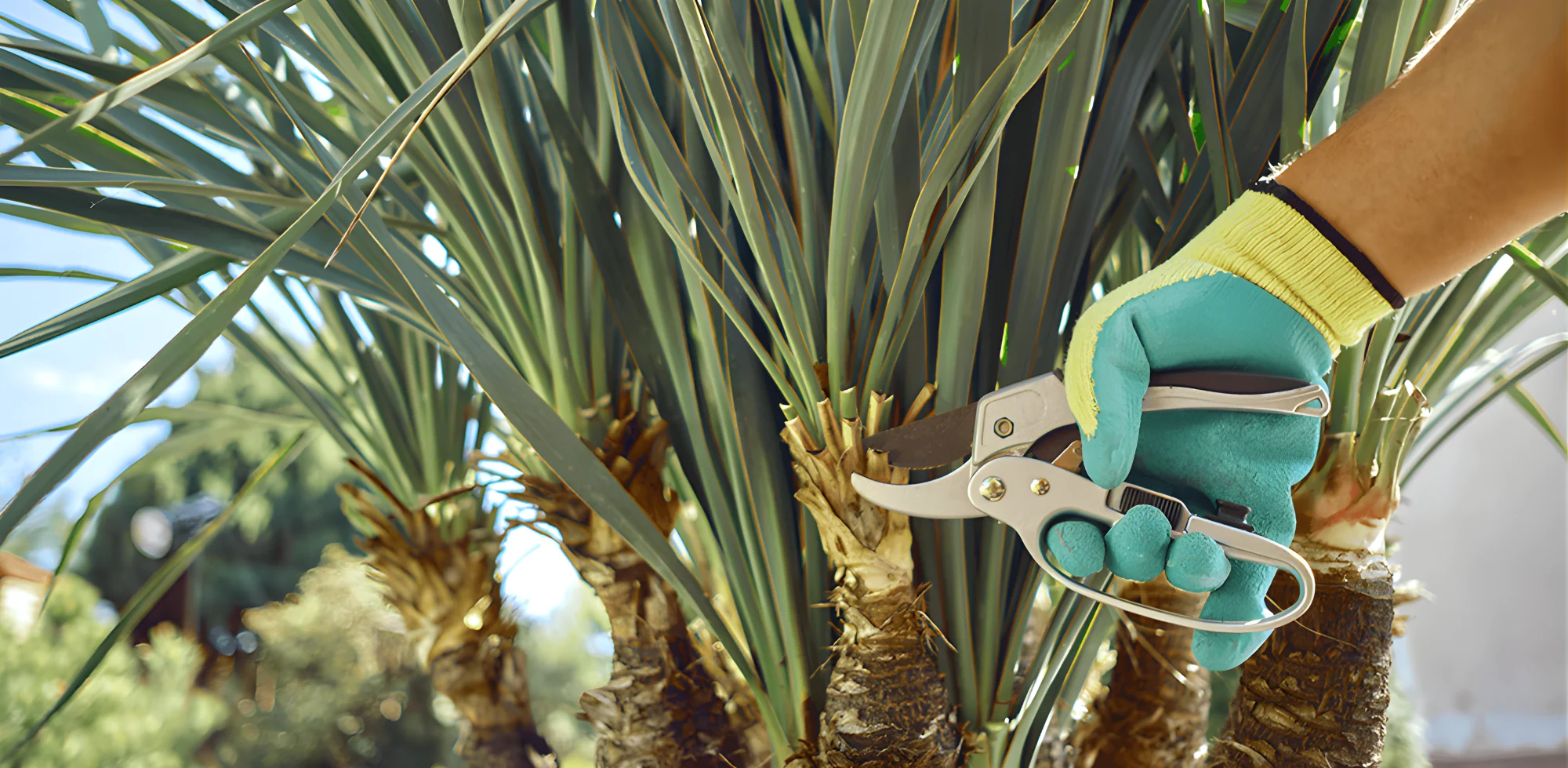
Routine palm tree trimming in Phoenix plays a major role in longevity. Removing dead fronds reduces pest activity, fire risk, and excess weight. Over trimming, however, shortens lifespan by removing green fronds that the tree needs for energy.
How Proper Trimming Extends Palm Tree Life
Palm fronds are the tree’s primary source of energy. Each green frond helps convert sunlight into nutrients that support trunk strength and healthy growth. When palms are trimmed correctly, only dead or damaged fronds are removed.
Professional Arizona palm tree trimming helps extend lifespan by:
- Reducing pest infestations that weaken the trunk and crown
- Preventing excess weight from stressing the tree
- Protecting the crown where new growth forms
- Avoiding sun damage caused by removing too many fronds
Palms that are trimmed once or twice per year, depending on species, typically live longer and maintain better structural health.
Signs a Palm Tree Is Aging or Declining
Even long lived palms eventually show signs of stress or aging. Common indicators include:
- Slower production of new fronds
- Smaller or weaker fronds
- Increased yellowing or browning
- Thinning or cracking along the trunk
- Reduced crown density
These signs do not always mean a palm is dying. In many cases, improved fertilization, watering adjustments, or professional trimming can restore health and extend the tree’s lifespan.
Can Palm Trees Outlive the Property Owner?
Yes. Many palms planted in Arizona today can easily outlive the homeowner if they are properly maintained. Mexican Fan Palms and Date Palms commonly exceed 80 years in Phoenix and Scottsdale landscapes.
Palms that receive routine care often remain healthy for generations, while neglected palms frequently require removal decades earlier than expected.
How to Maximize the Lifespan of Palm Trees
To help palm trees live as long as possible in Arizona, follow these best practices:
- Schedule professional trimming in late spring or early summer
- Fertilize palms three times per year using palm specific nutrients
- Water deeply every 10 to 14 days during hot months
- Inspect palms regularly for pests or trunk damage
- Avoid over trimming or removing green fronds
Working with experienced palm professionals ensures these steps are performed safely and correctly.
When Removal Becomes Necessary
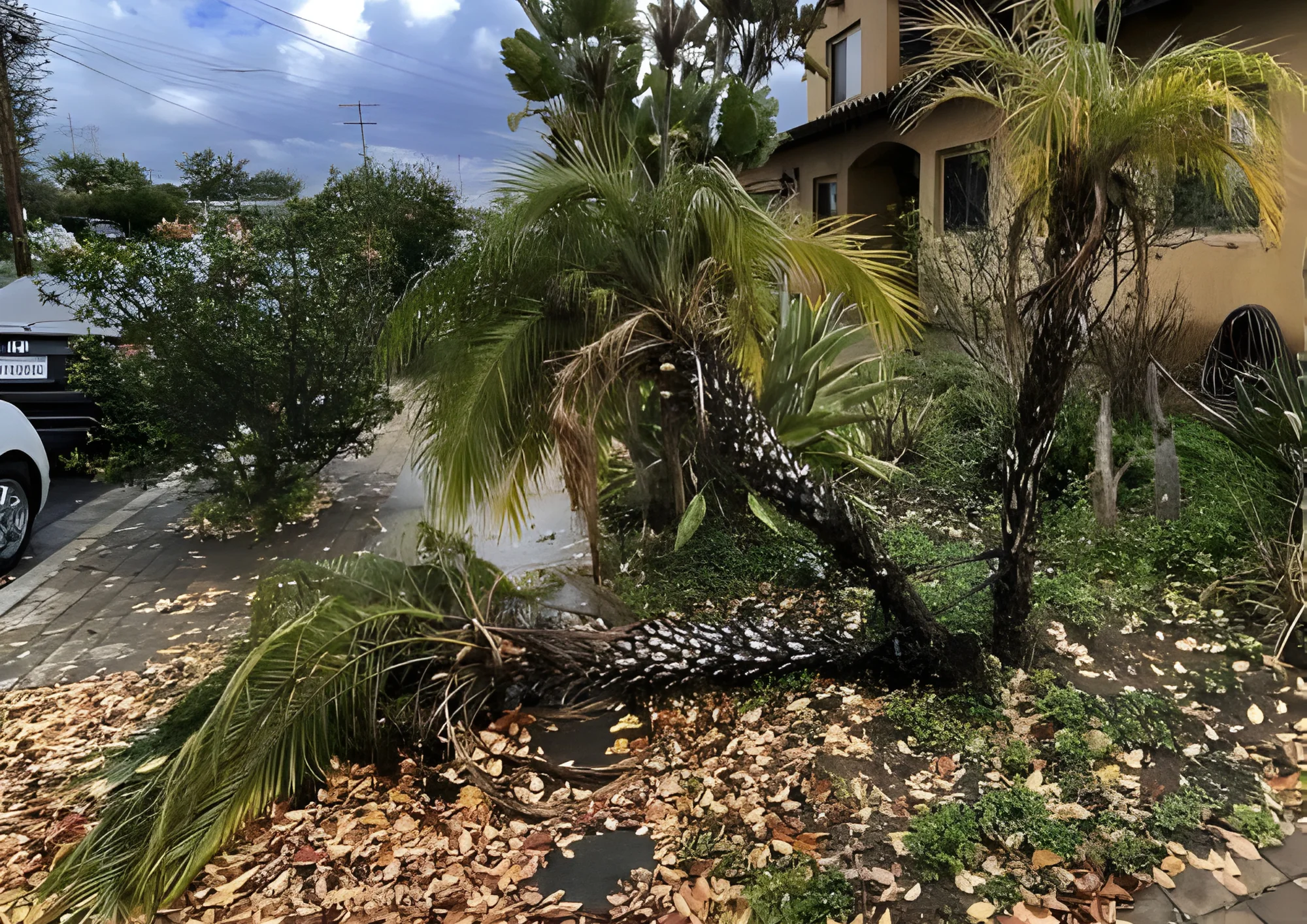
Even well maintained palms may eventually need removal due to age, disease, or storm damage. Removal may be necessary when:
- The crown no longer produces new growth
- The trunk becomes soft or unstable
- Severe pest damage weakens the tree
- The palm poses a safety risk to people or structures
Early evaluation by a professional helps determine whether removal is necessary or if the palm can still be saved.
Conclusion
Palm trees can live for decades in Arizona, often reaching 80 to 100 years when properly cared for. Species selection, climate conditions, watering habits, and professional maintenance all influence longevity in Phoenix and Scottsdale.
Regular palm tree trimming, fertilization, and inspections are the best ways to extend the life of your palms. With proper care, palms can remain a valuable and beautiful part of your landscape for generations.