Introduction
Palm trees are often viewed as strong and indestructible, especially in desert landscapes. However, many Arizona homeowners are surprised when a palm tree suddenly begins to lean or completely falls over. While palms are adapted to hot climates, they rely heavily on healthy root systems and proper maintenance to remain upright.
In Phoenix and Scottsdale, palm trees face extreme heat, compacted soil, wind exposure, and irrigation challenges. Understanding why palms fall over helps property owners prevent damage and maintain safer landscapes.
Palm Trees Have Shallow Root Systems
Unlike many shade trees, palm trees do not develop deep taproots. Instead, they rely on a dense network of fibrous roots that spread outward rather than downward.
These roots provide stability when soil conditions are healthy. However, shallow root systems make palms more vulnerable when soil is compacted, saturated, or disturbed. If the roots cannot anchor properly, the tree may lean or fail under stress.
Improper Watering Weakens Root Stability
Watering practices play a major role in palm stability.
Overwatering
When palms are overwatered, soil becomes saturated and oxygen is displaced. Roots deprived of oxygen begin to rot and lose strength. Soft or decaying roots cannot hold the tree upright, especially during storms.
Underwatering
Underwatered palms develop weak root systems that do not spread properly. Dry soil hardens and restricts root growth, reducing the tree’s ability to anchor itself.
Proper palm care in Arizona focuses on deep, infrequent watering that encourages strong, wide root development.
Poor Soil Conditions in Arizona
Arizona soil is often compacted, alkaline, and low in organic matter. These conditions make it difficult for palm roots to grow and expand.
Compacted soil prevents water penetration and limits oxygen flow. Without proper aeration, roots remain shallow and fragile. In newly developed areas or older properties with heavy foot or vehicle traffic, soil compaction is a common cause of palm instability.
Professional soil evaluation and improvement are often necessary to support long term palm health.
Storms and High Winds
While Arizona does not experience frequent storms year round, seasonal wind events can be intense. Strong winds place significant pressure on tall palms, especially those with heavy canopies or weakened roots.
Palms that have not been trimmed properly are more likely to catch wind, increasing leverage against the trunk. Overgrown fronds add weight and resistance, making it easier for the tree to lean or topple.
Regular professional palm tree trimming reduces wind resistance and helps maintain balance.
Improper Trimming Practices
Trimming mistakes often contribute to palm failure.
Over Trimming
Removing too many green fronds weakens the palm by reducing its energy production. It also removes natural wind buffering provided by a full canopy.
Uneven Trimming
Removing fronds from one side of the canopy more than the other creates imbalance. Over time, this uneven weight distribution can cause leaning.
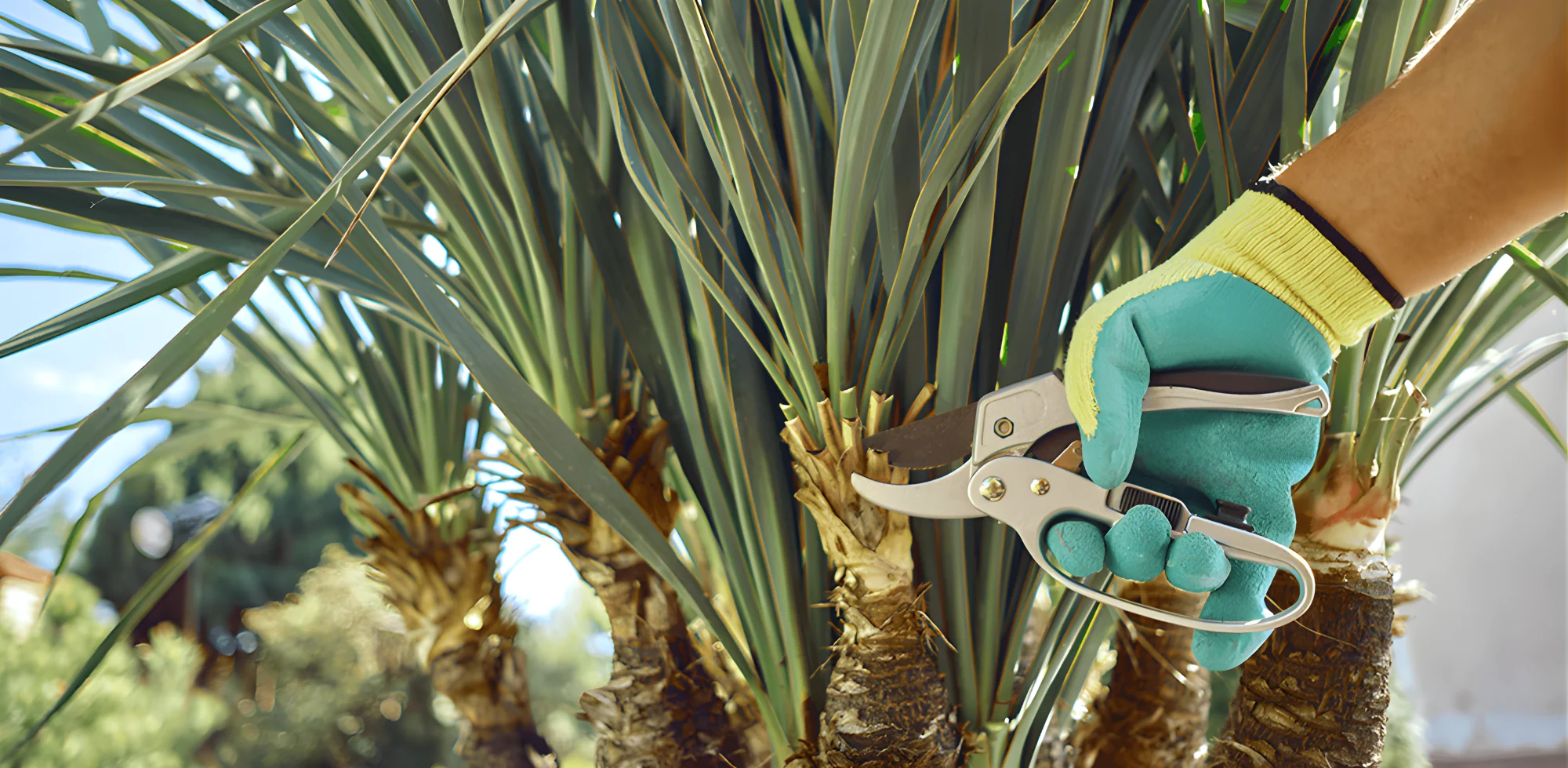
Correct trimming maintains symmetry and structural balance, helping palms withstand environmental stress.
Newly Planted or Transplanted Palms
Palm trees that have been recently planted or relocated are at higher risk of falling over. Their root systems are still establishing and may not yet anchor the tree fully.
During the first one to two years, palms require extra support, careful watering, and limited trimming. Premature trimming or inconsistent irrigation during this period increases the risk of failure.
Staking may be necessary temporarily, but improper staking can also weaken root development if left in place too long.
Root Damage From Construction or Landscaping
Root disturbance is a common but overlooked cause of palm instability. Construction, trenching, or landscaping near the base of a palm can sever roots that provide support.
Even small root cuts can significantly reduce stability, especially in larger palms. If multiple roots are damaged, the palm may lean gradually or fail suddenly during wind events.
Before digging near a palm, professional evaluation is recommended.
Signs a Palm Tree Is at Risk of Falling
Early warning signs often appear before a palm falls. Watch for:
- Leaning trunk that worsens over time
- Exposed or lifting roots
- Cracks in the soil around the base
- Soft or decaying trunk tissue
- Sudden canopy imbalance
- Reduced frond production
Addressing these signs early can prevent property damage and costly removal.
Can a Leaning Palm Tree Be Saved?
In some cases, yes. Whether a leaning palm can be saved depends on:
- How long it has been leaning
- Degree of lean
- Root condition
- Soil stability
- Overall tree health
Early intervention may allow corrective measures such as soil improvement, root support, or controlled repositioning. Severely compromised palms, however, may need removal for safety reasons.
Professional assessment is essential before attempting any correction.
How to Prevent Palm Trees From Falling
Preventive care is the most effective strategy. Best practices include:
- Deep watering on a consistent schedule
- Avoiding overwatering
- Annual professional palm tree trimming
- Avoiding over trimming
- Soil aeration and improvement
- Careful planning before construction or digging
- Monitoring palms before and after storm season
Working with experienced professionals ensures these steps are applied correctly.
When to Call a Professional
You should contact a professional palm care service if:
- A palm begins leaning unexpectedly
- Roots are exposed or damaged
- The tree has been recently transplanted
- Storms have caused visible movement
- The palm is near structures or power lines
Professional evaluation helps determine whether the palm can be stabilized or should be removed for safety.
Conclusion
Palm trees fall over in Arizona primarily due to root issues, poor soil conditions, improper watering, storm stress, and trimming mistakes. While palms are resilient, they depend on strong root systems and balanced canopies to remain upright.
With proper care, most palms can remain stable for decades in Phoenix and Scottsdale landscapes. Early attention and professional maintenance help prevent failure and protect both property and people.